Dušica Dražić
“It Rains Differently”
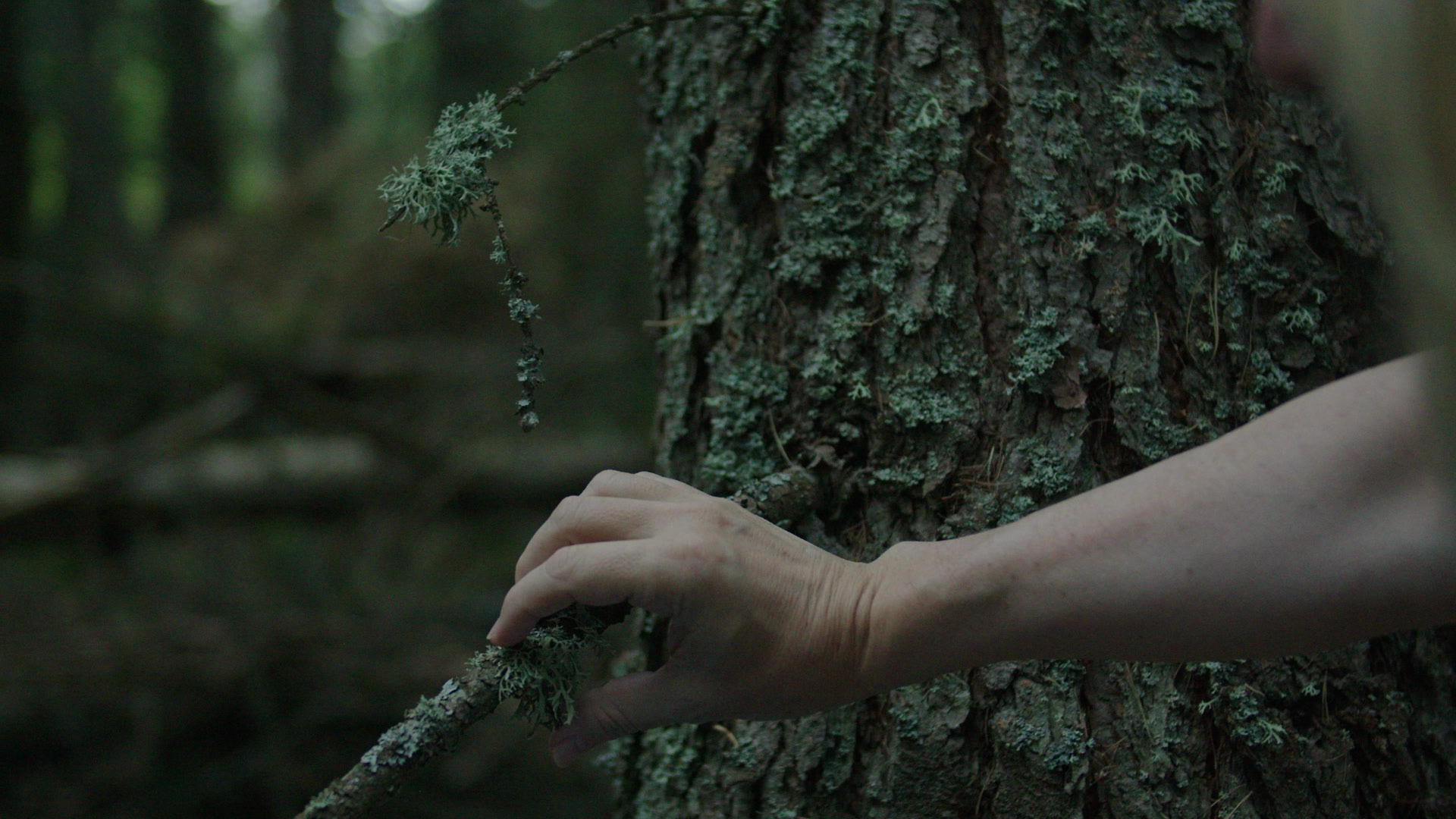
It Rains Differently is a long-term and multifaceted project led by the artist Dušica Dražić that centers on the reforestation of the Pešter Plateau in Serbia, where the forest was replanted between 1978 and 1988. In August 2024, the collective reforestation was reenacted with the participation of volunteers and local community members, and the complete process was documented.
FOREST:
I was born in Yugoslavia.
The countless hands of Youth Work Actions built the new country’s transport infrastructure, its bloodlines; they planted the forest so that its young body could breathe, its blood circulate, to strengthen the heart, stimulate the body to grow, regenerate itself, rejoice. I came out of a notion of natural and social revival by using the power of the collective body that shaped the body of the new federal state.¹
There she is, the evergreen Forest ² on the karstic Pešter plateau in southwest Serbia. Dense and dark, and remote. Forest is surrounded by meadows. In summer, the grass dries, becomes yellow, blends with the color of the soil from which she, Forest, grows. Meandering dirt roads – stones and earth. The ride is bumpy and slow. We get out of the car and walk toward Forest. The trees form a wall, with neither beginning nor end in sight. The massive curved wall rises before us. It is as old as we are. Our gaze cannot penetrate its surface. It resides in the depth of its mass, deep within the darkness of Forest.
We drive away. The same road winds through a small mountain village toward a hill that faces Forest. We get out of the car again. The hill becomes a viewing platform from which we observe Forest. She seems more solid when regarded from a distance, presenting herself as an immense man-made structure. A collective monument to a country that no longer exists.
¹ Dušica Dražić, Tanja Šljivar, and Mirjana Dragosavljević, “It Rains Differently”, in Irena Borić, Mirjana Dragosavljević, and Dušica Dražić, eds., Symptoms of the Future – Exhibition in the Box, Onomatopee, Stereovizija, and Out of Sight, Eindhoven, Belgrade, and Antwerp, 2021, n.p.
² In Serbo-Croatian, the gender of the noun “forest” (šuma) is feminine.
History Writing through Ecology
During the Socialist Federal Republic of Yugoslavia (SFRY), state-organized reforestation actions took place on the Pešter plateau every summer from 1978 until 1988. The labour was organized through Youth Work Actions, a form of state-organized, voluntary labour. Young people were brought together in the spirit of Brotherhood and Unity, the slogan coined during the Yugoslav People’s Liberation War (1941–45), which evolved into the guiding principle of Yugoslavia’s post-war inter-ethnic policy. Forty years later, 150,000 hectares of forest still dominate the landscape. Despite all the societal changes that have unfolded since then – the collapse of the country, wars, privatizations, ecocides. Despite all the secrets buried in Forest.
My late father, Milutin Dražić, was the leading forest engineer of the reforestation project. I observed and absorbed the methods and aspirations that nobody spoke about directly – the long-term dedication, (volunteer) labour, care and trust (or belief) in a social and political imaginary outside the conditions of consumption.
Toward the end of his life, I interviewed him and my mother Dragana because I wanted to record their view on Forest:
We call them [pines] pioneers because of their ability to grow in hostile environments. They are more resilient. They can endure drought and extreme humidity, very low temperatures, all the extreme conditions of Pešter. That is why they are used; they are worthy of first forests and only pines can fulfil the potential of land that has been degraded and become useless. Pine forests correct the microclimate. Once that task is accomplished, they retreat and make room for so-called permanent species that create permanent forests.³
Forest is not a peripheral context, but should be seen as a scale model of the world in which we live with all of its contradictions. The process of her creation resides at the centre of the artistic research in which I examine tensions between opposing, ideologically driven forces, transnational perspectives exploring historic (dis)continuities and how they affect the formation of contemporary class not only based on economic status, but also on origin, ethnicity, gender, and how these processes leave a long-lasting imprint on the land.
The artistic process behind the making of It Rains Differently mirrors the methodology of the reforestations conducted from 1978 to 1988. Namely, a participatory practice is embedded in the process. It steps away from the symbolic realm, collectively producing a new forest while also producing a work of art. It mobilizes diverse groups of people and acknowledges shared struggles in the ongoing demands of elementary universality and equality.
³ Unpublished interview with Milutin and Dragana Dražić, conducted by Dušica Dražić in Belgrade on January 18, 2018.
The Re-enactment of Reforestation as a Rehearsal for Collectivity
In August 2024, the re-enactment of the reforestations took place on Pešter over the course of eight days. More than forty people of a wide range of ages (from seventeen to seventy-two years old) responded to an open call launched in July in order to participate in the planting of a new forest and the making a work of art.
The re-enactment of the reforestation could be seen as reality directed, a term used by the Polish artist Paweł Althamer about his participatory practice in works such as Common Task (2009) and Motion Pictures (2020). Partly scripted conditions of participation were written based on reforestation methodologies from the past, including having a clear structure for each day divided into strict time for work, shared meals, and rest; “planting” a flag into the ground to mark the goal of the day; dividing labour among volunteers with the possibility of self-nomination for certain roles; and chanting slogans in a choir led by actors Vladislava Đorđević, Željko Maksimović, and Milutin Dapčević while standing in spatial formations that resemble military patterns.
Even though a clear conceptual frame was introduced, a space was left for participants’ own input and improvisation, ensuring that the artistic process is open ended. This methodology allowed and possibly even stimulated a strong sense of agency in each participant, and created the foundation for collective authorship for both the future forest and the work of art.
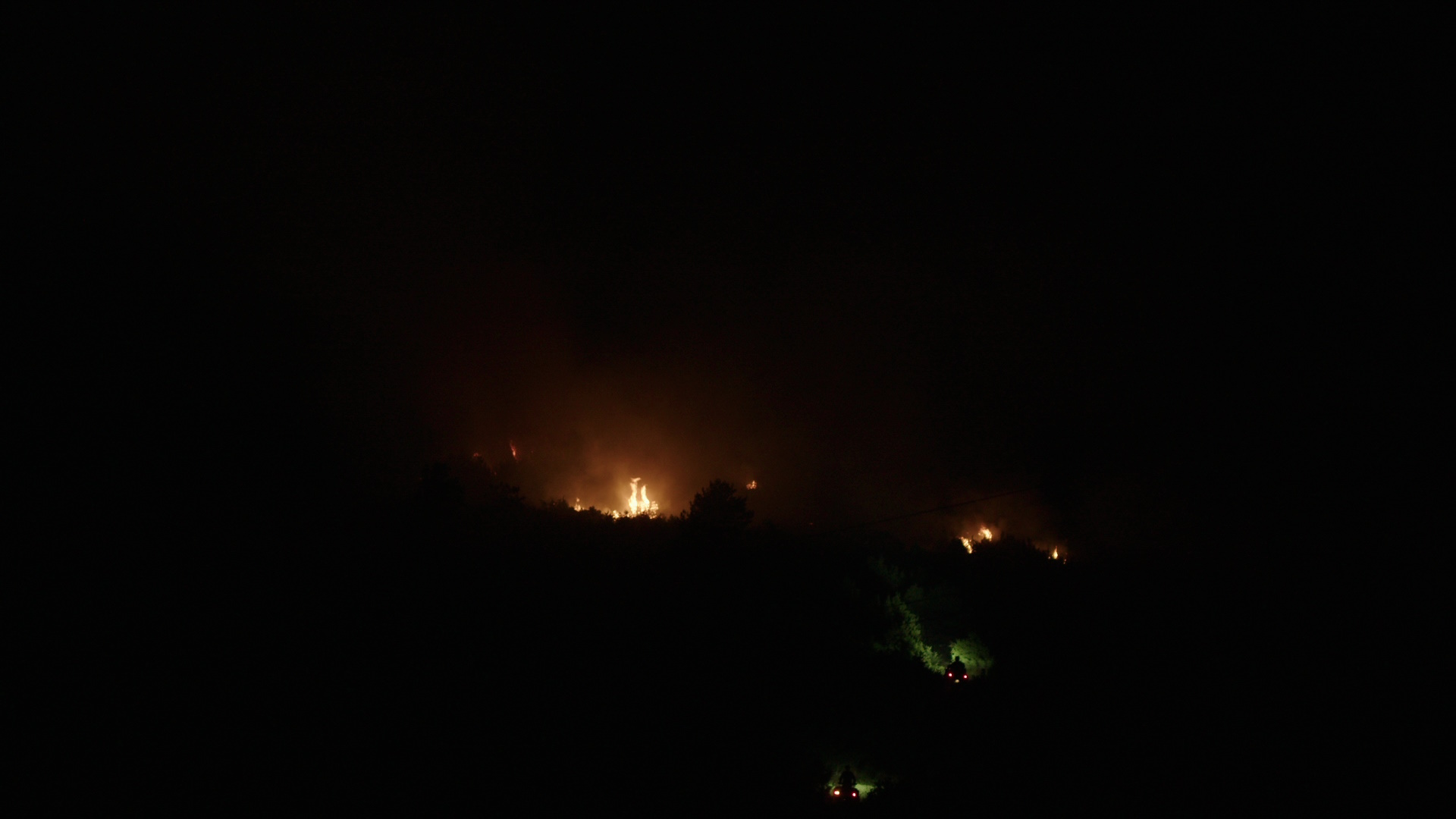
Dušica Dražić, It Rains Differently, film stills, 2024-25
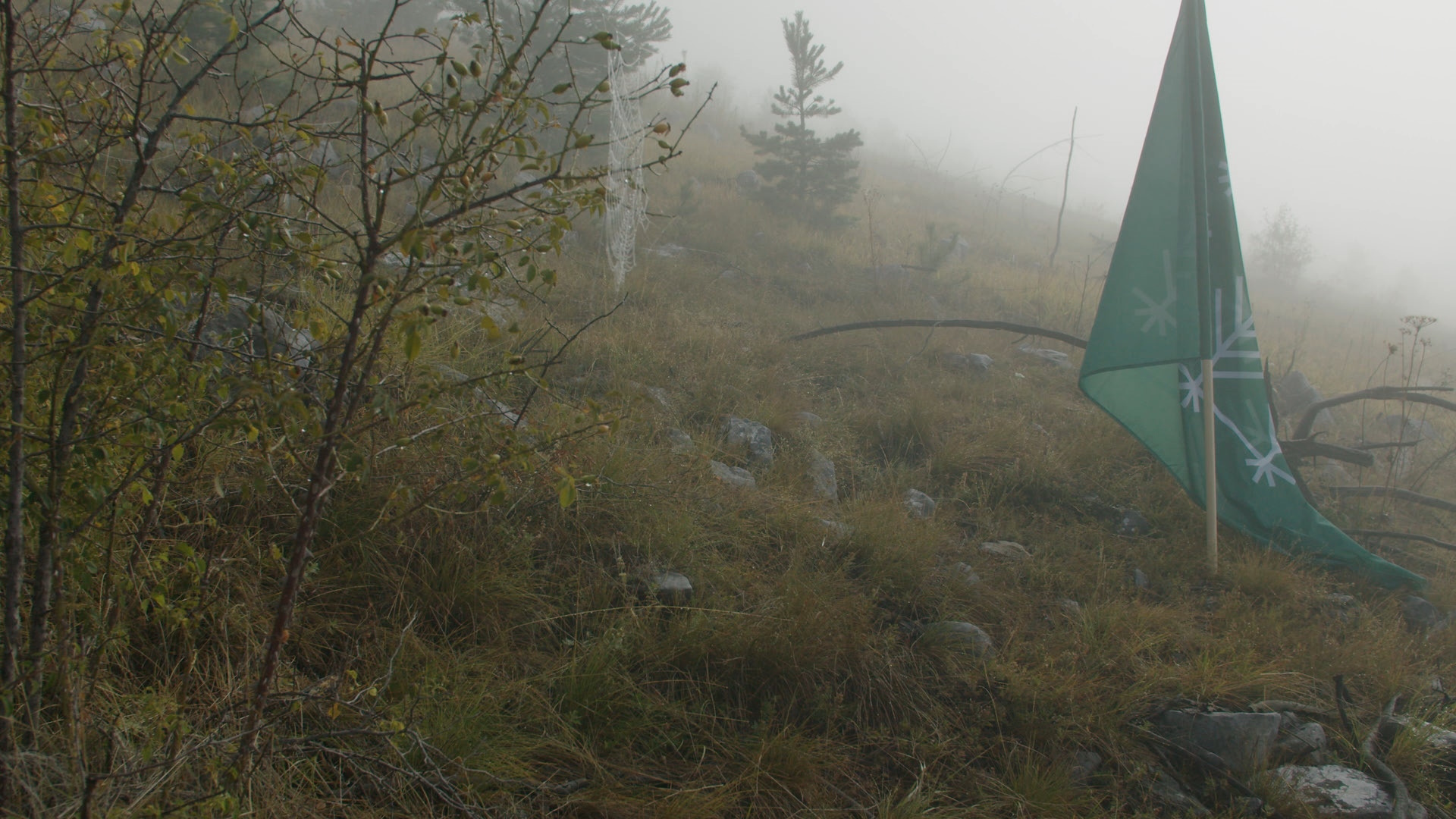
Dušica Dražić, It Rains Differently, film stills, 2024-25
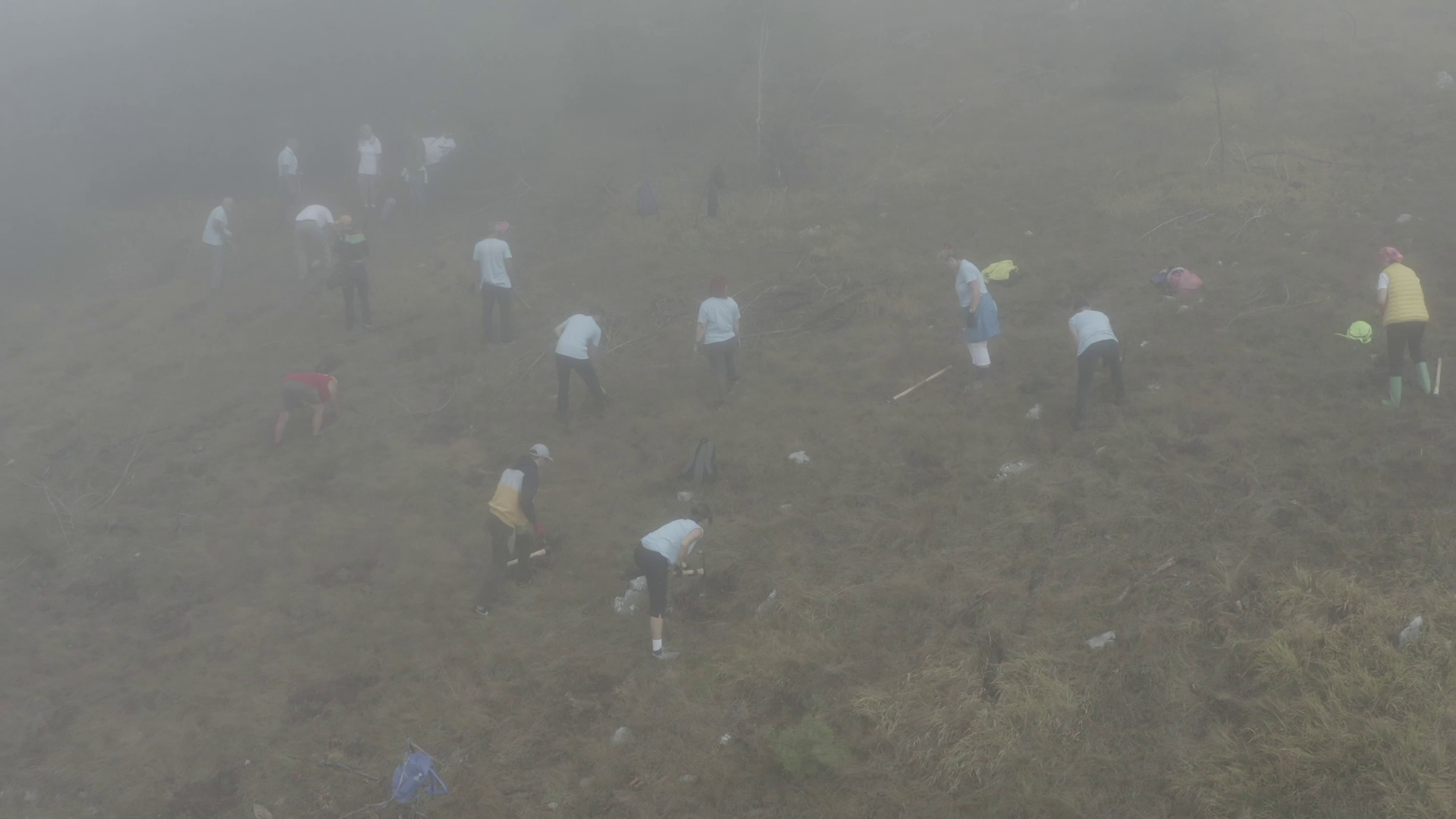
Dušica Dražić, It Rains Differently, film stills, 2024-25
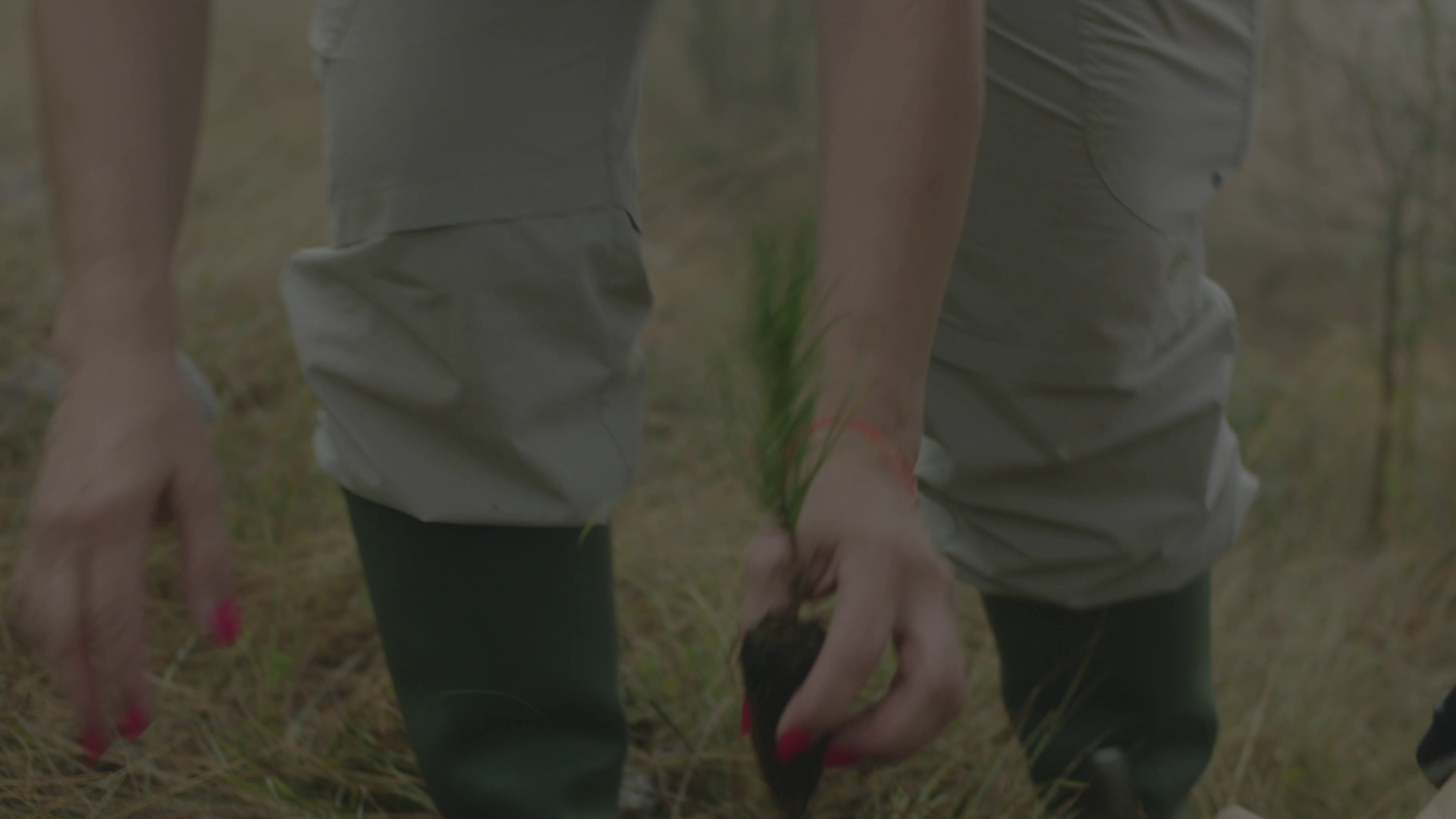
Dušica Dražić, It Rains Differently, film stills, 2024-25
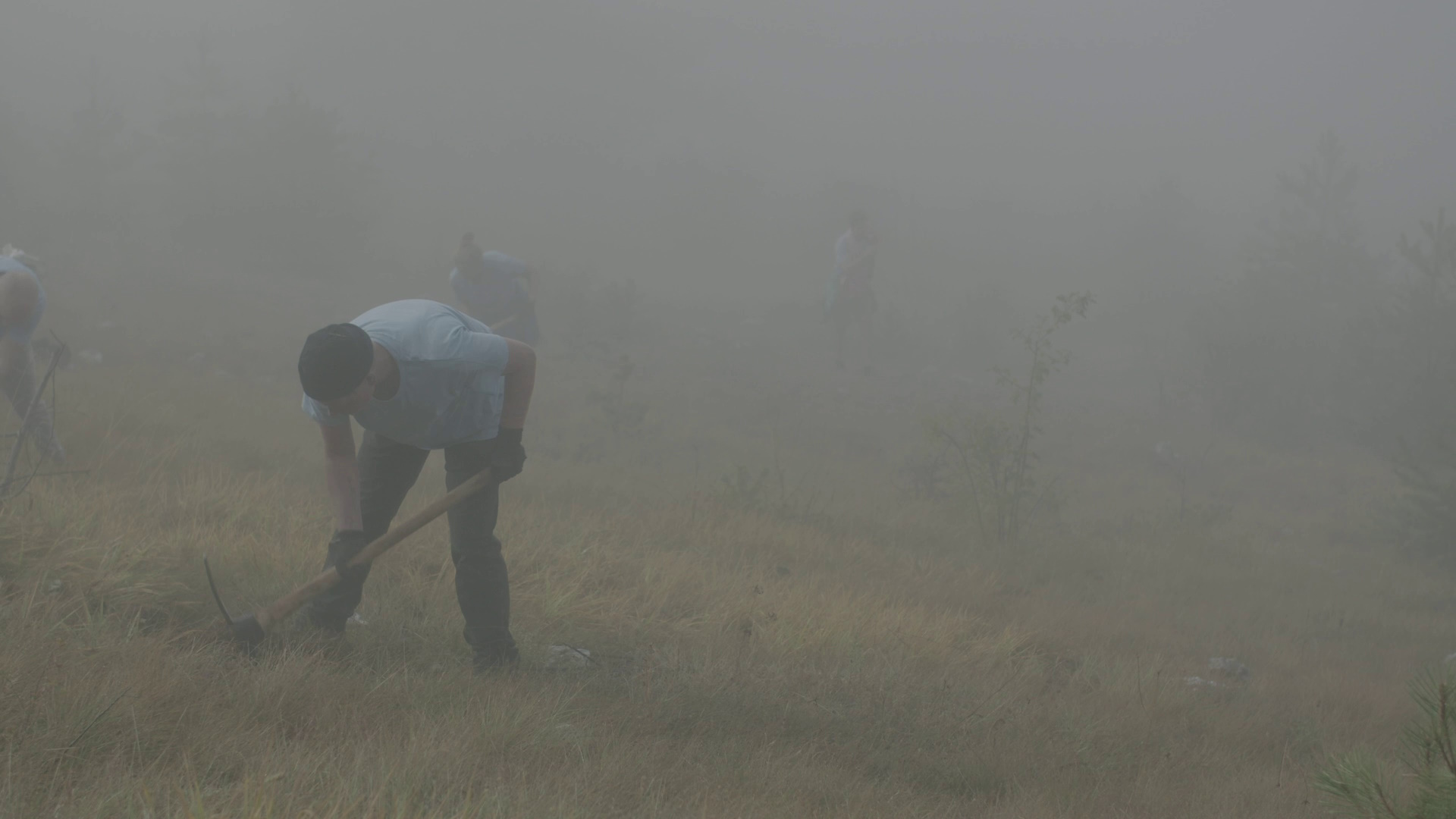
Dušica Dražić, It Rains Differently, film stills, 2024-25
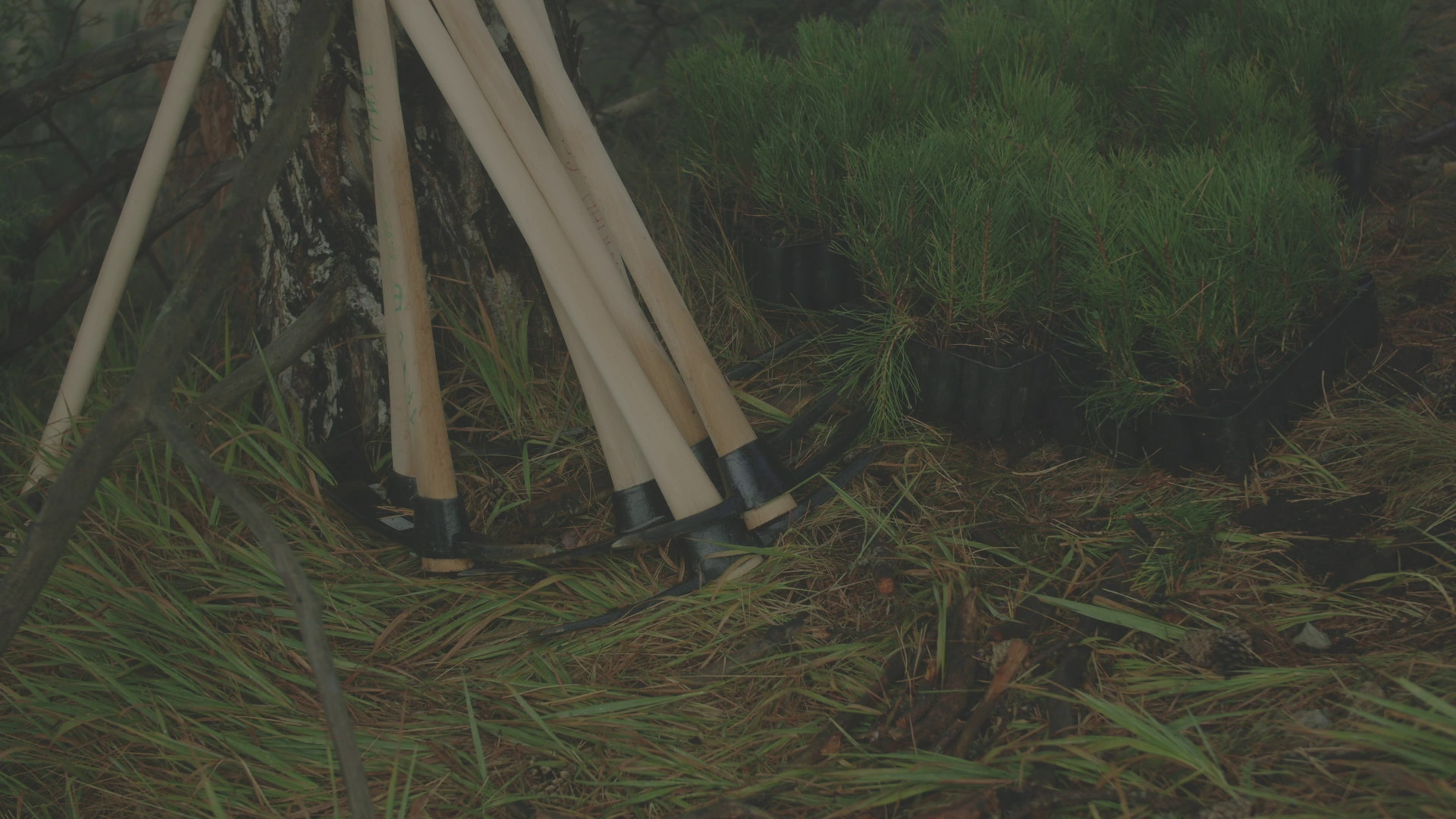
Dušica Dražić, It Rains Differently, film stills, 2024-25
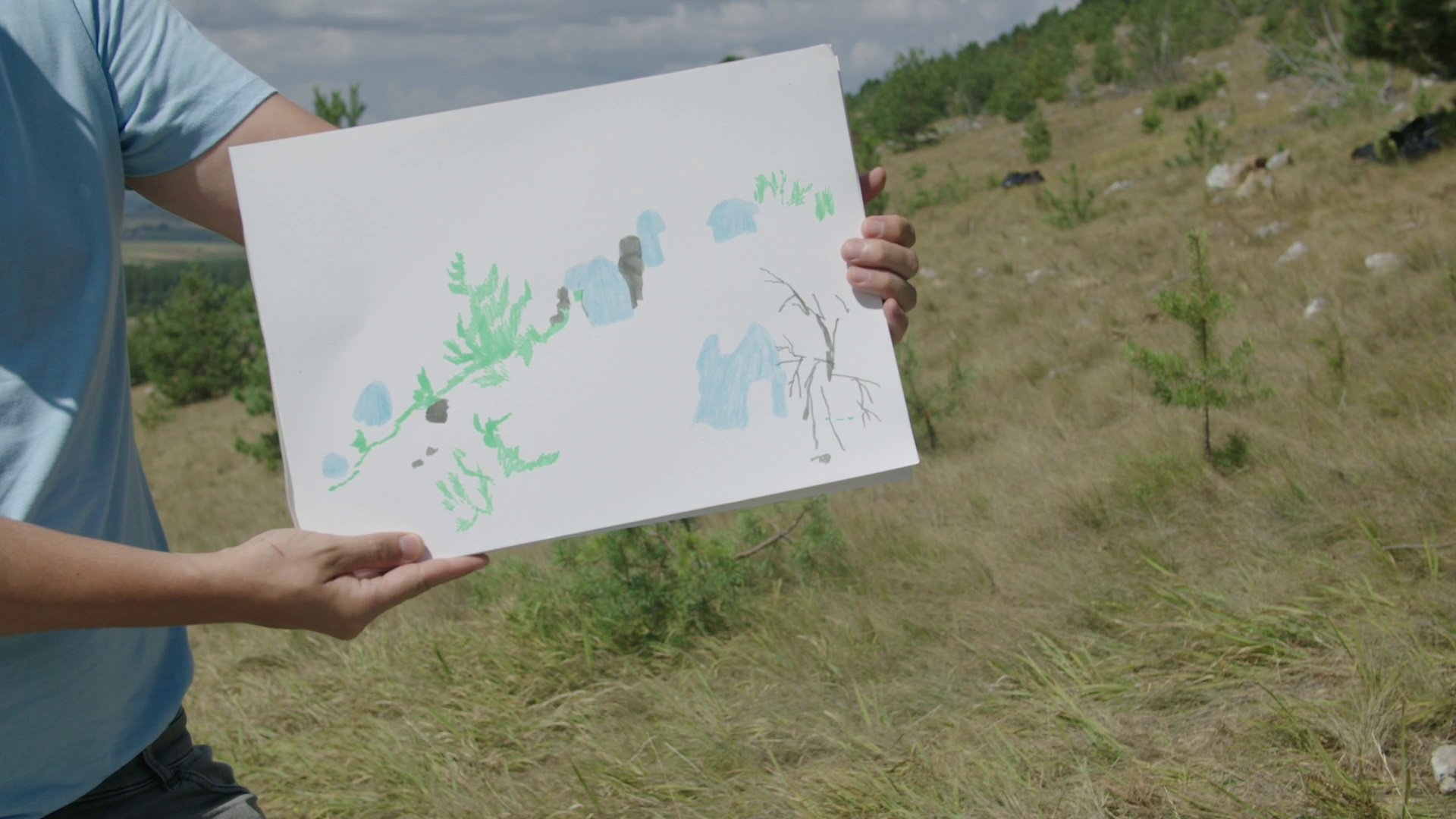
Dušica Dražić, It Rains Differently, film stills, 2024-25
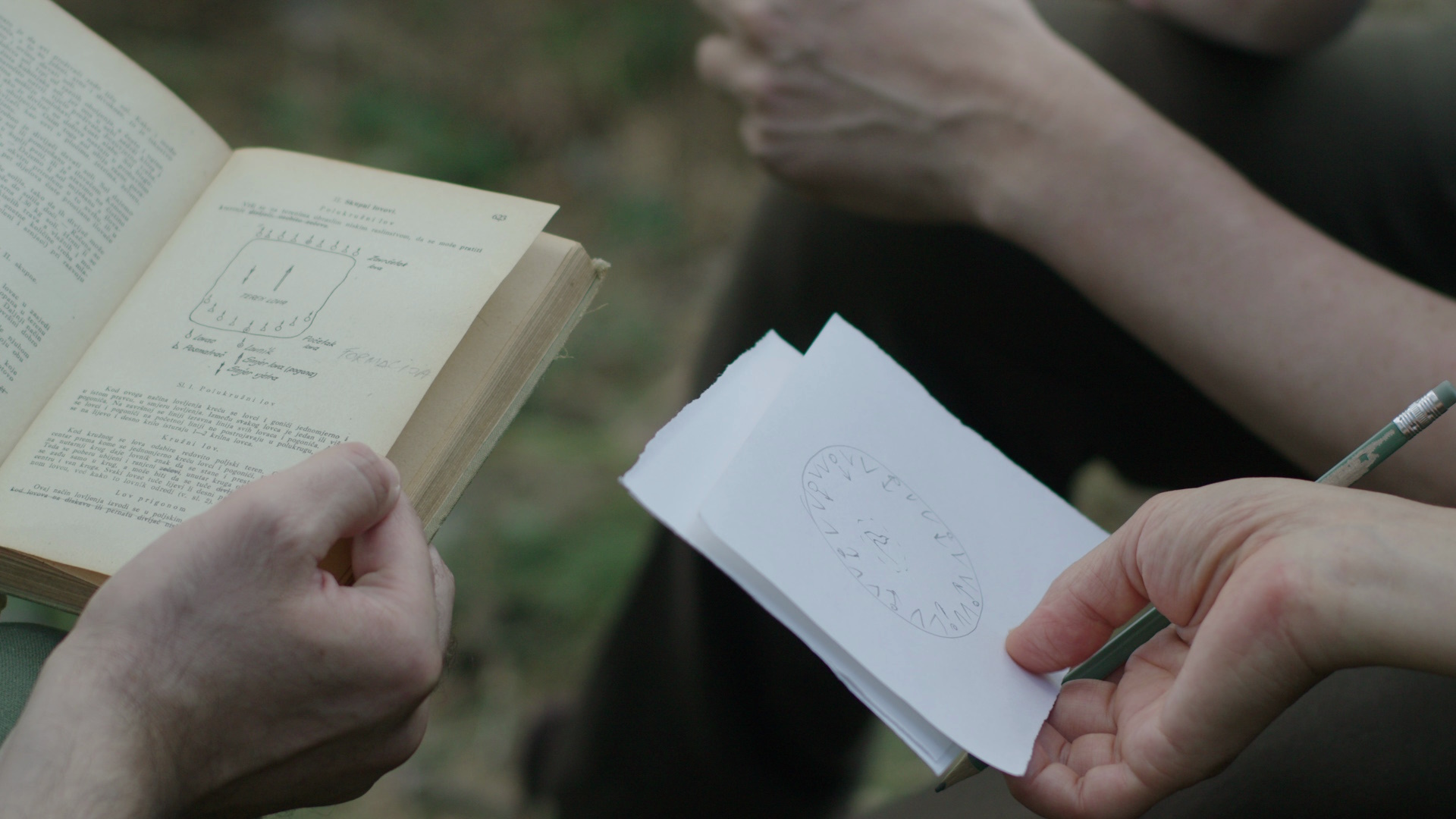
Dušica Dražić, It Rains Differently, film stills, 2024-25
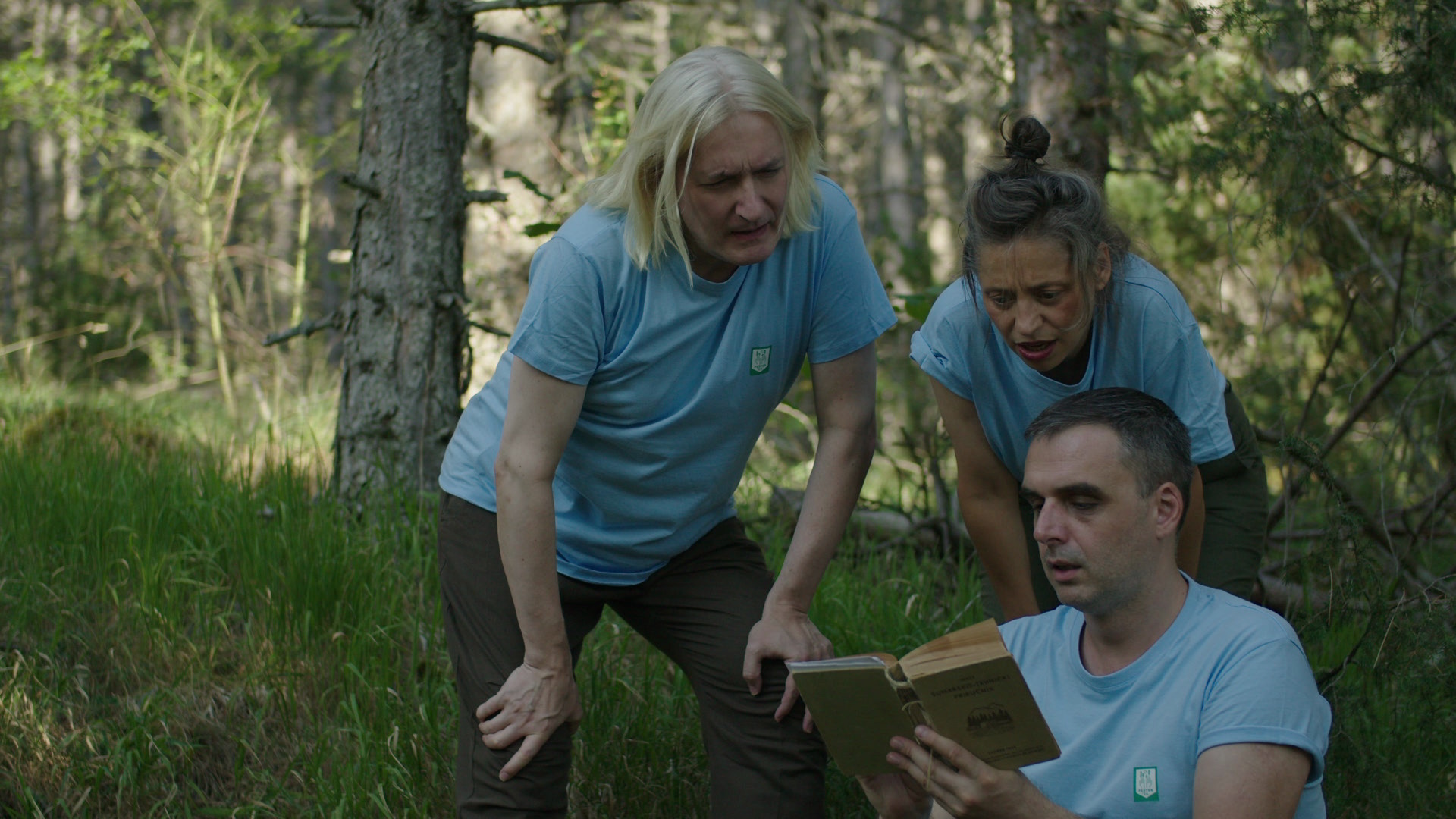
Dušica Dražić, It Rains Differently, film stills, 2024-25
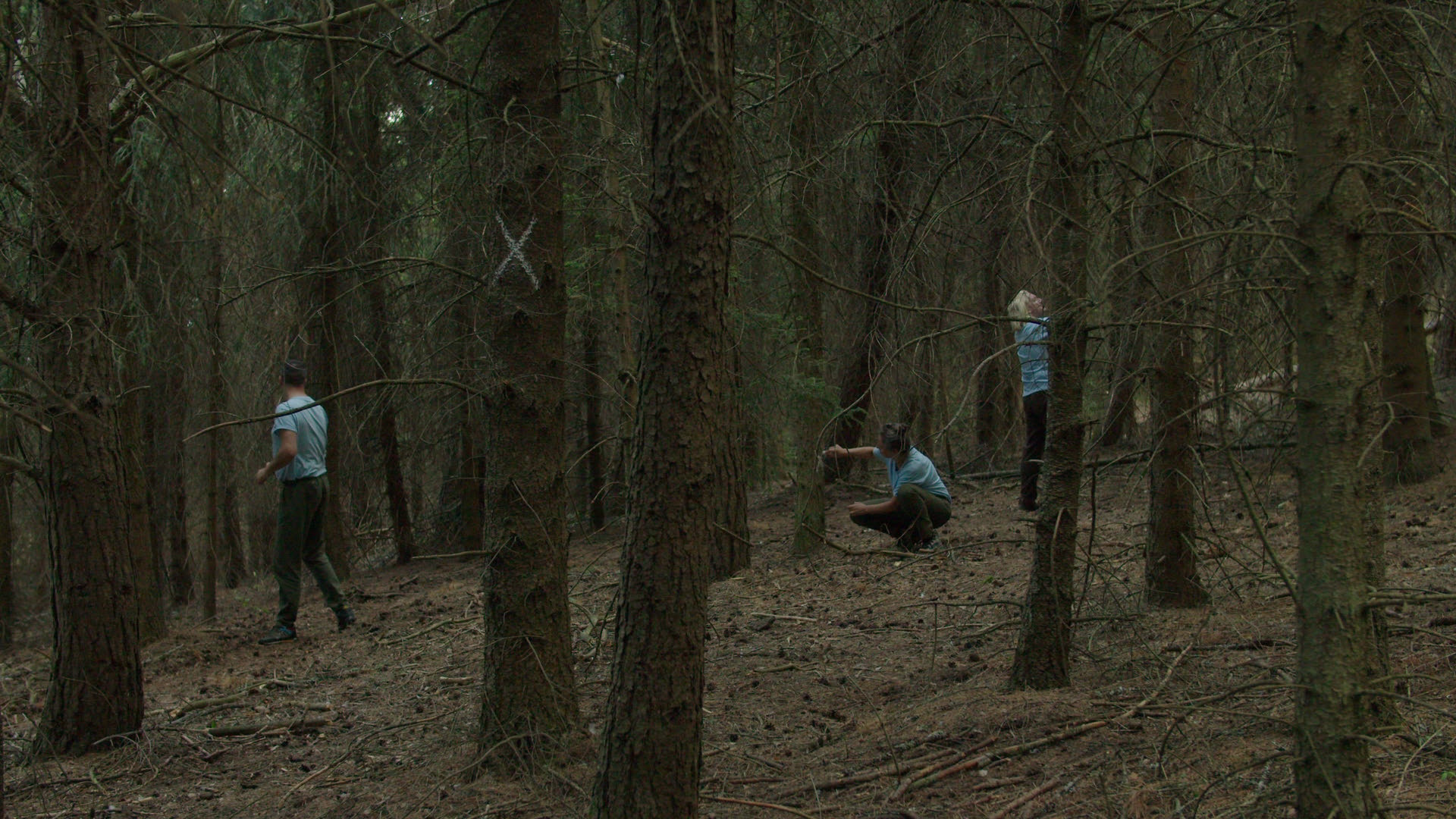
Dušica Dražić, It Rains Differently, film stills, 2024-25
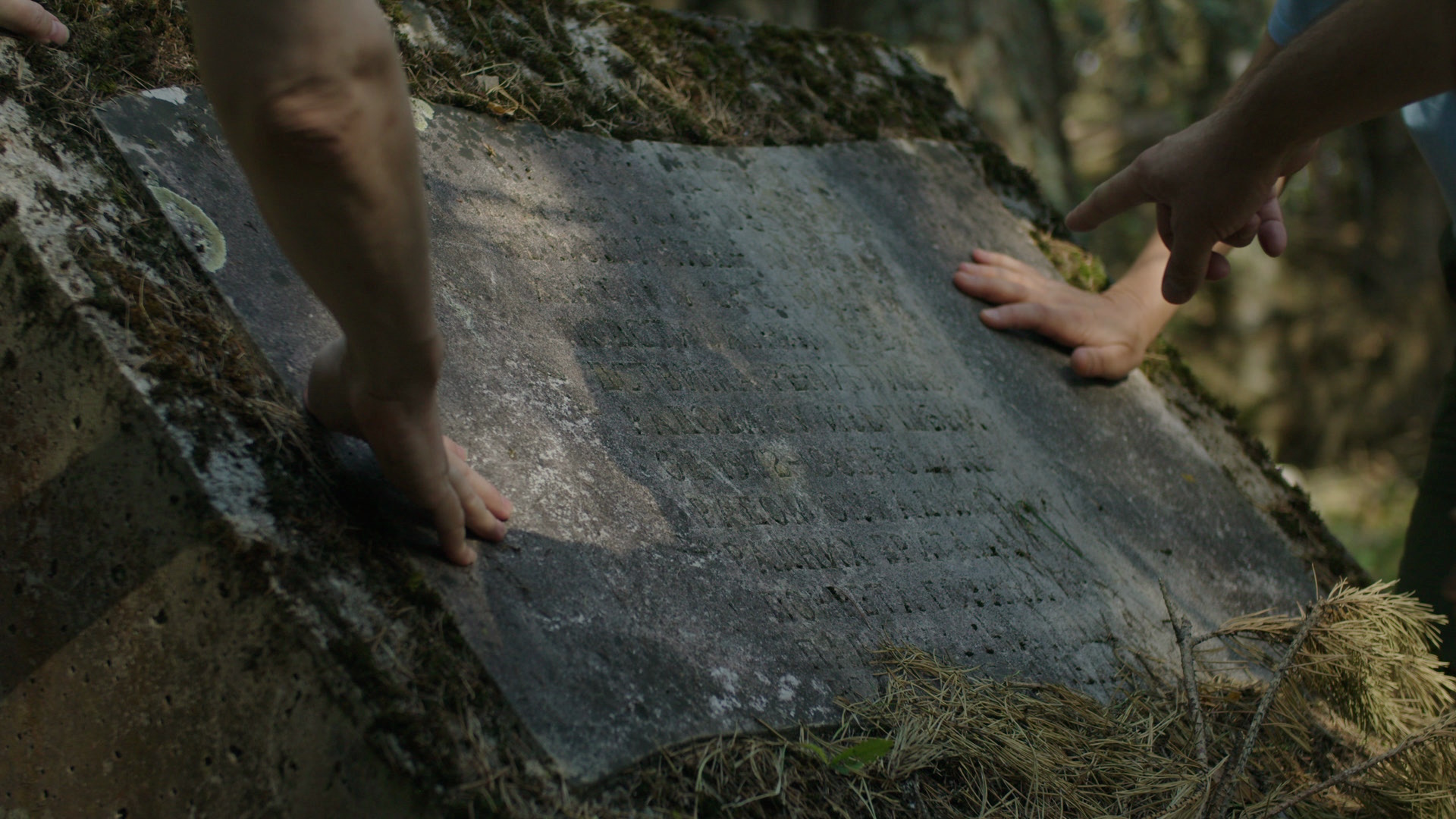
Dušica Dražić, It Rains Differently, film stills, 2024-25
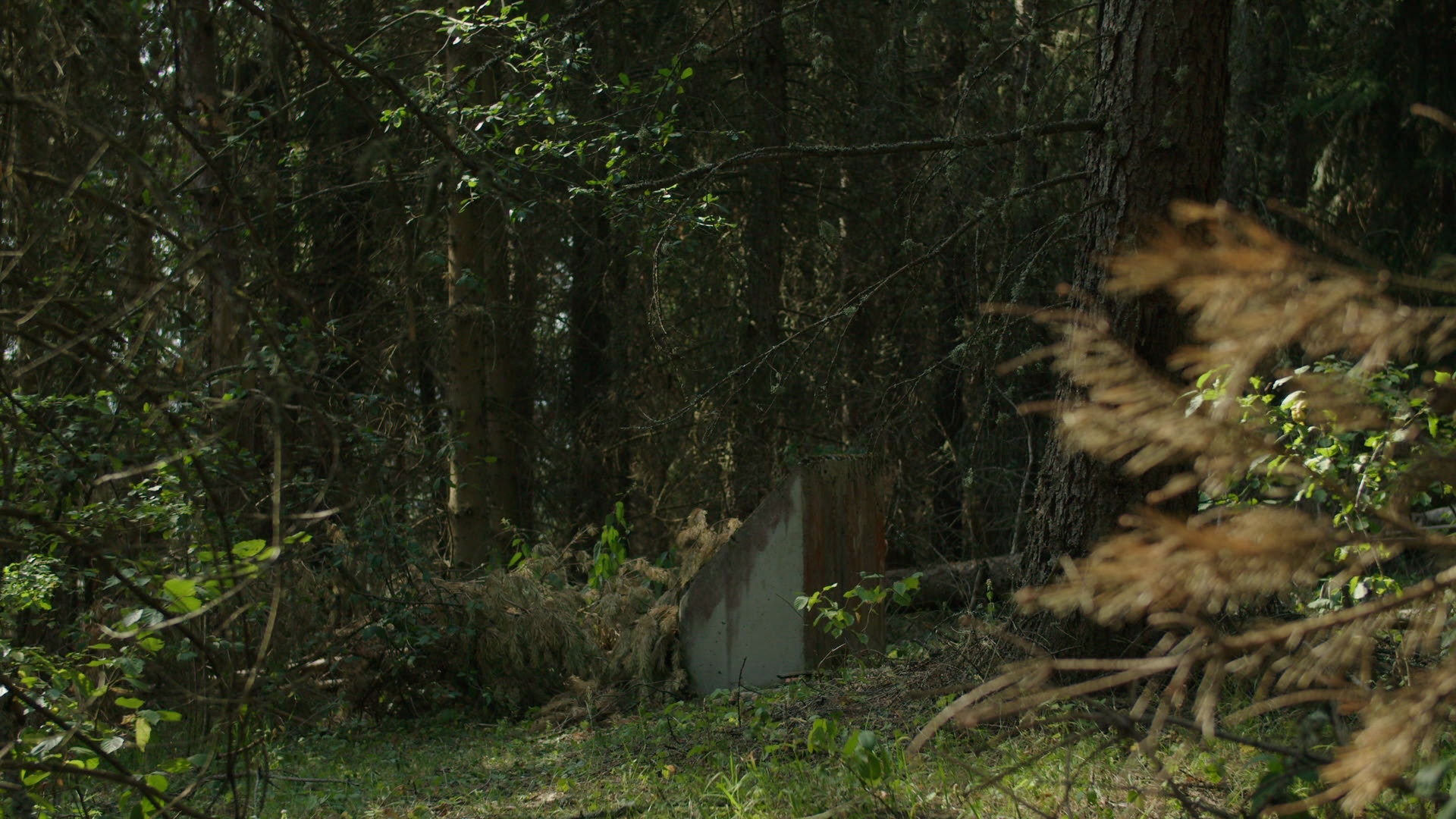
Dušica Dražić, It Rains Differently, film stills, 2024-25
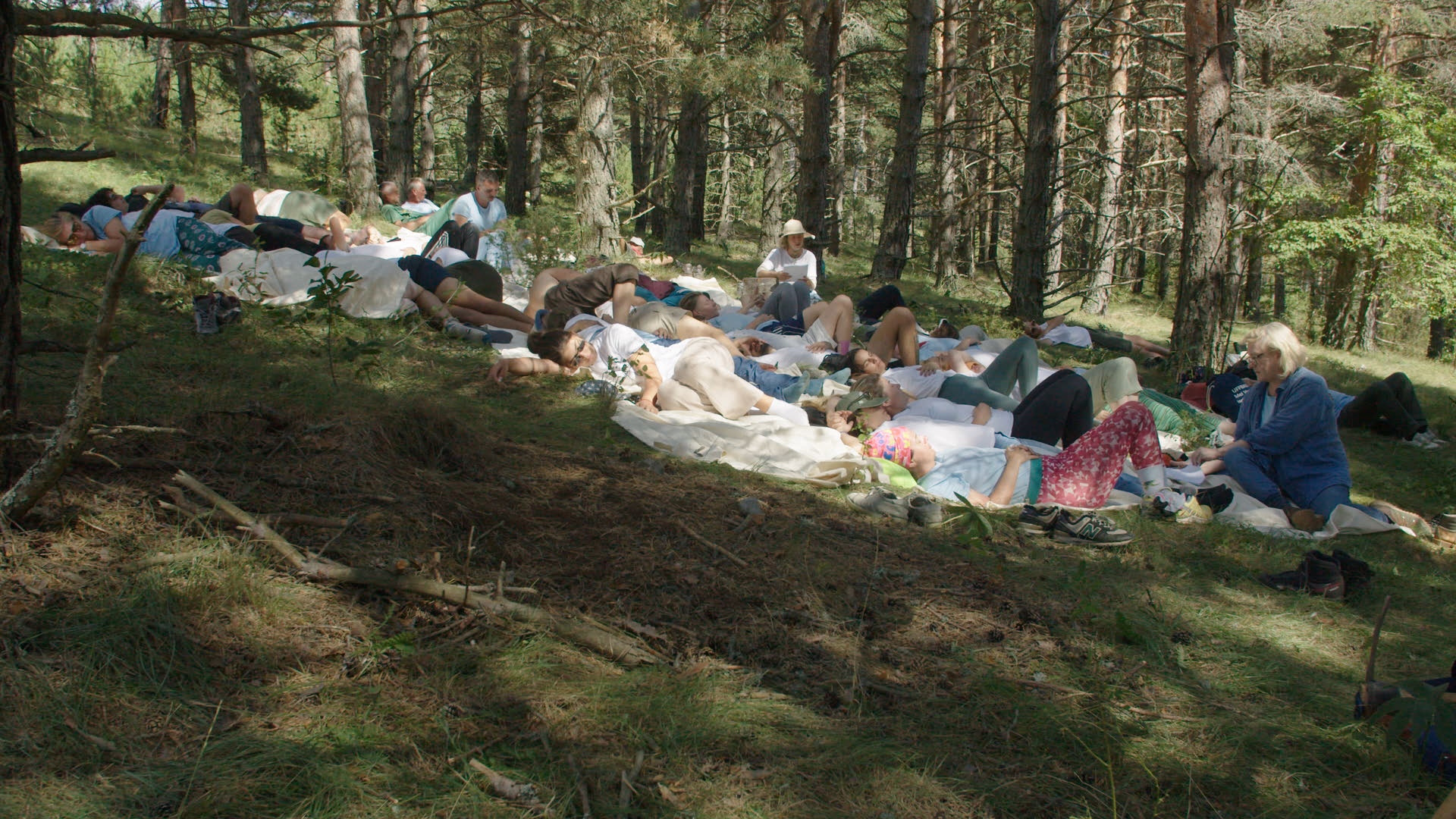
Dušica Dražić, It Rains Differently, film stills, 2024-25
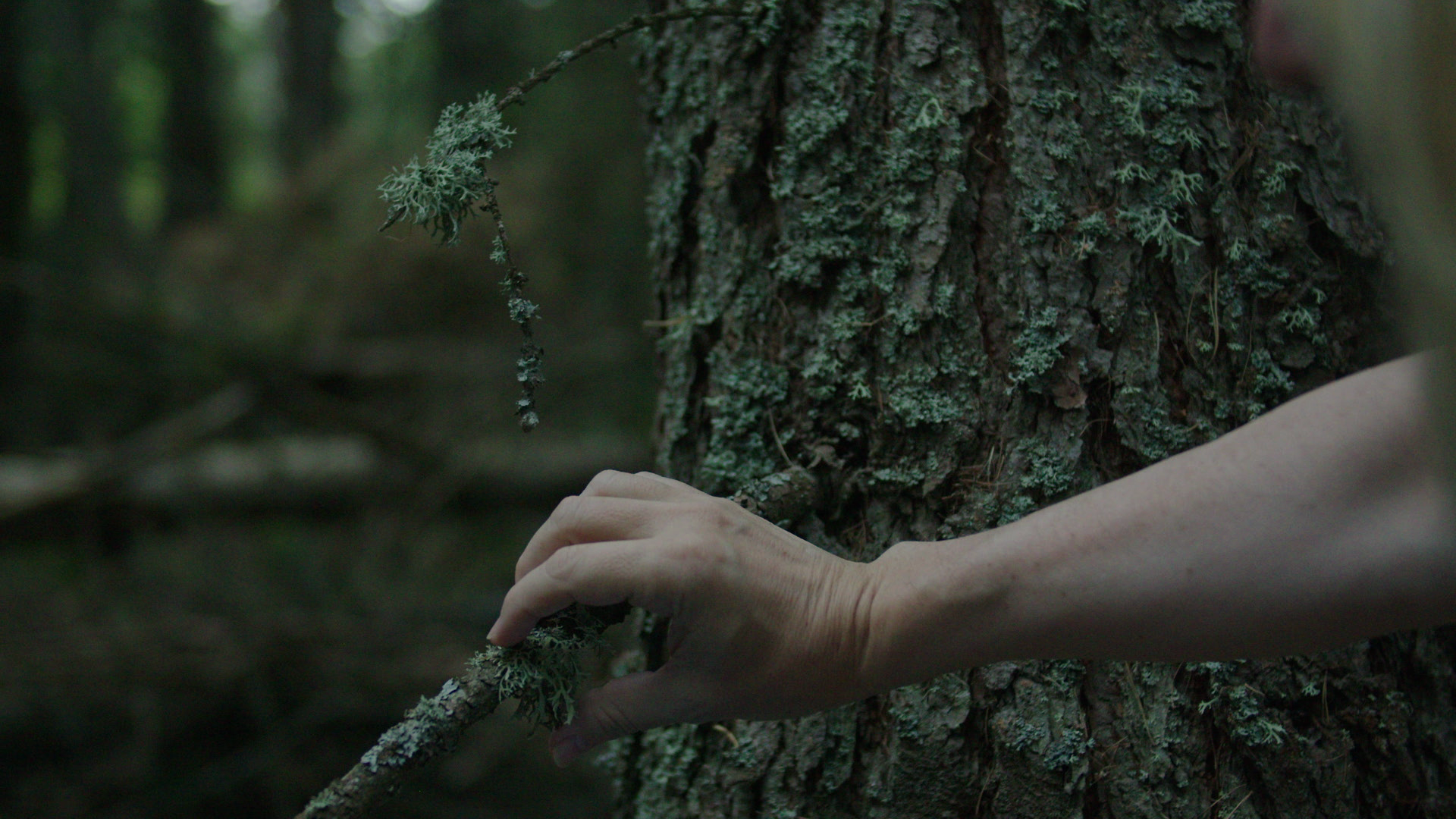
Dušica Dražić, It Rains Differently, film stills, 2024-25
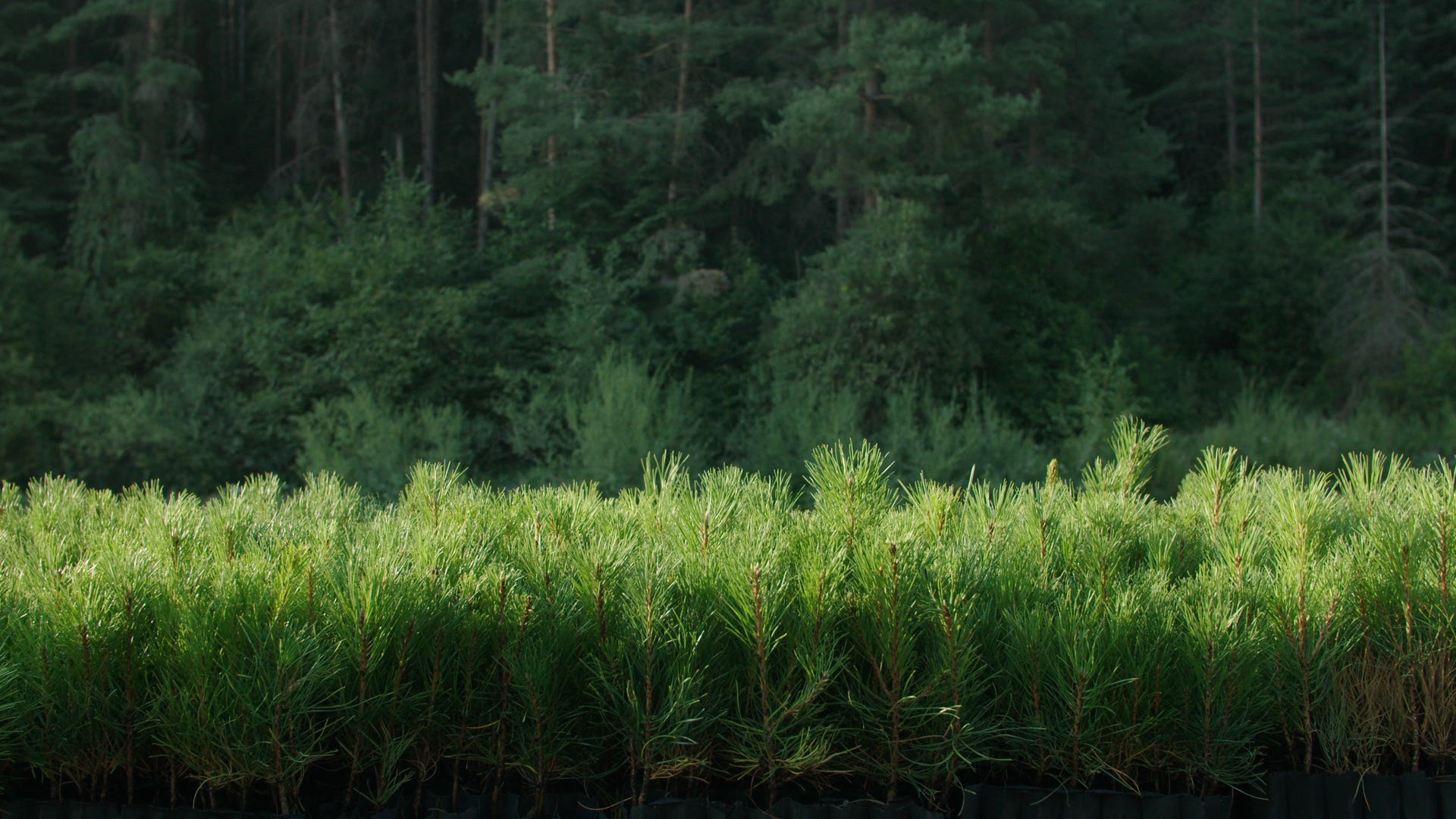
Dušica Dražić, It Rains Differently, film stills, 2024-25
Documentation of the Artistic Process
The super-8 cameras used in the 1970s and 1980s were supplemented with the mobile phones of volunteers who were asked to enter Forest during their leisure time and record her state of being.
The film and multimedia installation It Rains Differently is constructed from fictional, archival, and documentary imagery, blurring the lines among these cinematic languages. This approach creates not only an artistic language, but a political one – a tool used to mobilize and facilitate the participation of citizens and to create a collective, shared experience. It provides a framework in which the lines between artistic research, production, documentation, and reception are blurred. There is no clear distinction in the artistic process between the roles of artist, volunteer, forester, performer, and audience.
The intention of It Rains Differently is to propose a process in which there is no clear break between cultural and artistic work, to entangle them with each other. This entanglement is a precondition for the rupture of social consensus and categorizations. What are the conditions that enable an artwork to co-exist within the realm of aesthetics while contributing to the common good? How do we resist privatization of culture and nature as a form of property? What is the relation to and responsibility of individuals within the collective in envisioning
better futures?
It Rains Differently is a portrait of Forest as a fictional character. It is a meditation on collective labour, on an imaginary that fulfils itself through the form of Forest who is in constant re-making and only through that constant re-making persists through all changes; Forest as transnational, political, social, and cultural collective entity.
EXTRAS:
We’re planting the forest. Forest is planting us.⁴
⁴ Dražić, Šljivar, and Dragosavljević, “It Rains Differently”.
This text is an abridged version of “It Rains Differently” by Dušica Dražić, originally published in the book Forest Encounters. You can read the full text and download the book for free here.